Données sur la tenure forestière, la solidité des droits et les droits des femmes
La tenure forestière en Amérique latine
Les données de RRI sur le suivi de la tenure évaluent les avancées et les reculs au niveau mondial concernant les droits légalement reconnus des peuples autochtones, des peuples afro-descendants, des communautés locales et des femmes au sein de ces communautés sur les forêts, les terres et les ressources naturelles. Explorez les données sur l'Amérique latine.
Explorez les ensembles de données disponibles :
Données sur la tenure forestière
Données sur le régime foncier
Données sur la propriété de l'eau
Explorez les données sur la tenure forestière pour:
Choisissez Le Pays
Angola
Argentine
Australie
Bélize
Bhoutan
Bolivie
Brésil
Cambodge
Cameroun
Canada
République centrafricaine
Chili
Chine
Colombie
Costa Rica
République démocratique du Congo
Équateur
Éthiopie
Finlande
Gabon
Gambie
Ghana
Guatemala
Guyana
Honduras
Inde
Indonésie
Japon
Kenya
Corée du Sud
Laos
Liberia
Madagascar
Malaisie
Mali
Mexique
Mongolie
Mozambique
Birmanie
Népal
Nicaragua
Nigeria
Panama
Papouasie-Nouvelle-Guinée
Pérou
Philippines
République du Congo
Russie
Sénégal
Soudan du Sud
Soudan
Suriname
Suède
Tanzanie
Thaïlande
Timor oriental
Togo
États-Unis
Venezuela
Vietnam
Zambie
* Utilisez la clé ci-dessous pour voir quelles données sont disponibles pour chaque pays dans le menu déroulant.
Données sur la superficie des forêts
Ensemble des droits et droits des femmes aux forêts communautaires
Matériel connexe

New DoR Report (2025):

  • RAPPORT (en anglais)
  • RÉSUMÉ EXÉCUTIF
  • FACT SHEETS

Résilience et résistance: Les droits statutaires des femmes autochtones, afro-descendantes et des communautés locales aux forêts communautaires (2025):

À la croisée des chemins : Tendances dominantes dans la reconnaissance des droits fonciers communautaires entre 2002 et 2017 (2018) 


A Global Baseline of Carbon Storage in Collective Lands (2018) (en anglais)


Méthodologie

Examinez dans quelle mesure les cadres juridiques nationaux reconnaissent les droits fonciers des peuples autochtones et des communautés locales dans ces 16 pays d’Amérique latine :
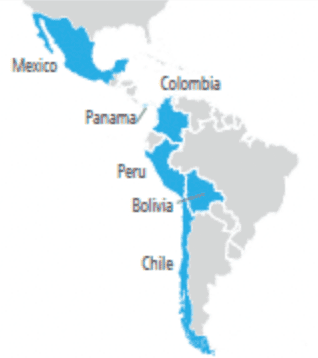
Bundle of Rights in Latin America

RRI maintains detailed qualitative data on the strength of Forest Tenure rights legally held by Indigenous Peoples, Afro-descendant Peoples, and local communities in X countries in Latin America. Learn more about RRI’s Bundle of Rights Methodology
here.

  • 2016
  • 2024
Crédit complet Crédit partiel Pas de crédit Au cas par cas À déterminer

Sources: RRI. 2016. Depth of Rigths Database.

Crédit complet Crédit partiel Pas de crédit Au cas par cas

Sources: RRI. 2024. Depth of Rigths Database.


Contextual Indicators

RRI maintains detailed qualitative data on the strength of Forest Tenure rights legally held by Indigenous Peoples, Afro-descendant Peoples, and local communities in 35 countries in Africa, Asia, and Latin America. Learn more about RRI’s Bundle of Rights Methodology here.

Cultural/Religious Use
RRI maintains detailed qualitative data on the strength of Forest Tenure rights legally held by Indigenous Peoples, Afro-descendant Peoples, and local communities in 35 countries. Contextual indicators are used to ...


Learn more about RRI’s Bundle of Rights Methodology here.
Crédit complet Pas de crédit

Sources: RRI. 2024. Depth of Rights Database.

Free, Prior and Informed Consent
RRI maintains detailed qualitative data on the strength of Forest Tenure rights legally held by Indigenous Peoples, Afro-descendant Peoples, and local communities in 35 countries. Contextual indicators are used to ...


Learn more about RRI’s Bundle of Rights Methodology here.
Crédit complet Pas de crédit Au cas par cas

Sources: RRI. 2024. Depth of Rights Database.


Women's Rights to community Forests, Global Data

RRI’s Gender Database builds on the Bundle of Rights to assess the extent to which the same 30 countries’ legal frameworks recognize Indigenous, Afro-descendant, and local community women’s specific rights to community forests, and whether those states are meeting their obligations under national and international laws. These frameworks, called community-based tenure regimes (CBTRs), are defined distinguishable sets of national, state-issued laws and regulations governing “all situations under which the right to own or manage terrestrial natural resources is held at the community level.”

Learn more about RRI’s Gender Methodology here.

  • 2016
  • 2024
Overarching (11 Countries)
CBTR-Specific (33 CBTRs)
Full Credit Partial Credit No Credit Case by Case Not Applicable
Overarching (11 Countries)
CBTR-Specific (33 CBTRs)
Full Credit Partial Credit No Credit Case by Case Not Addressed
Changement dans la répartition de la tenure forestière dans ... pays en Amérique latine, 2002-2017
Répartition de la tenure forestière en Amérique latine: données nationales

Explorez les données nationales sur la répartition de la tenure forestière à travers le temps. Cliquez sur le nom du pays pour en savoir plus sur les cadres juridiques reconnaissant la tenure communautaire, y compris les droits spécifiques des femmes autochtones, afro-descendantes et des communautés.

Pays

Administré par le gouvernement

2002 2017

Désigné pour les peuples autochtones, les peuples d'ascendance africaine et les communautés locales

2002 2017

Propriété des peuples autochtones, des peuples afro-descendants et des communautés locales

2002 2017

Propriété privée de particuliers et d'entreprises

2002 2017
Pays: Argentine
Government Administered
2002: 5,70
2017: n.d.
Designated for Indigenous Peoples, Afro-descendant Peoples, and Local Communities
2002: n.d.
2017: 0,87
Owned by Indigenous Peoples, Afro-descendant Peoples, and Local Communities
2002: -
2017: -
Privately Owned by Individuals and Firms
2002: 22,20
2017: n.d.
Pays: Bélize
Government Administered
2002: n.d.
2017: n.d.
Designated for Indigenous Peoples, Afro-descendant Peoples, and Local Communities
2002: n.d.
2017: -
Owned by Indigenous Peoples, Afro-descendant Peoples, and Local Communities
2002: -
2017: n.d.
Privately Owned by Individuals and Firms
2002: n.d.
2017: n.d.
Pays: Bolivie
Government Administered
2002: 41,43
2017: 28,03
Designated for Indigenous Peoples, Afro-descendant Peoples, and Local Communities
2002: 1,58
2017: 0,47
Owned by Indigenous Peoples, Afro-descendant Peoples, and Local Communities
2002: 16,61
2017: 24,71
Privately Owned by Individuals and Firms
2002: 0,48
2017: 1,55
Pays: Brésil
Government Administered
2002: 341,02
2017: 238,39
Designated for Indigenous Peoples, Afro-descendant Peoples, and Local Communities
2002: 10,68
2017: 40,41
Owned by Indigenous Peoples, Afro-descendant Peoples, and Local Communities
2002: 75,27
2017: 118,05
Privately Owned by Individuals and Firms
2002: 94,29
2017: 99,89
Pays: Chili
Government Administered
2002: n.d.
2017: 5,49
Designated for Indigenous Peoples, Afro-descendant Peoples, and Local Communities
2002: n.d.
2017: n.d.
Owned by Indigenous Peoples, Afro-descendant Peoples, and Local Communities
2002: n.d.
2017: 0,86
Privately Owned by Individuals and Firms
2002: n.d.
2017: 11,32
Pays: Colombie
Government Administered
2002: 38,00
2017: 26,38
Designated for Indigenous Peoples, Afro-descendant Peoples, and Local Communities
2002: -
2017: -
Owned by Indigenous Peoples, Afro-descendant Peoples, and Local Communities
2002: 24,50
2017: 32,93
Privately Owned by Individuals and Firms
2002: -
2017: -
Pays: Costa Rica
Government Administered
2002: 1,11
2017: 1,10
Designated for Indigenous Peoples, Afro-descendant Peoples, and Local Communities
2002: -
2017: -
Owned by Indigenous Peoples, Afro-descendant Peoples, and Local Communities
2002: 0,34
2017: 0,28
Privately Owned by Individuals and Firms
2002: 1,32
2017: 1,06
Pays: Équateur
Government Administered
2002: n.d.
2017: n.d.
Designated for Indigenous Peoples, Afro-descendant Peoples, and Local Communities
2002: -
2017: 0,02
Owned by Indigenous Peoples, Afro-descendant Peoples, and Local Communities
2002: -
2017: 1,27
Privately Owned by Individuals and Firms
2002: n.d.
2017: n.d.
Pays: Guatemala
Government Administered
2002: 1,85
2017: n.d.
Designated for Indigenous Peoples, Afro-descendant Peoples, and Local Communities
2002: 0,53
2017: 0,40
Owned by Indigenous Peoples, Afro-descendant Peoples, and Local Communities
2002: 0,29
2017: 1,20
Privately Owned by Individuals and Firms
2002: 1,53
2017: n.d.
Pays: Guyana
Government Administered
2002: 16,62
2017: 13,17
Designated for Indigenous Peoples, Afro-descendant Peoples, and Local Communities
2002: -
2017: 3,35
Owned by Indigenous Peoples, Afro-descendant Peoples, and Local Communities
2002: -
2017: -
Privately Owned by Individuals and Firms
2002: 0,00
2017: 0,00
Pays: Honduras
Government Administered
2002: 4,07
2017: 1,18
Designated for Indigenous Peoples, Afro-descendant Peoples, and Local Communities
2002: -
2017: 0,60
Owned by Indigenous Peoples, Afro-descendant Peoples, and Local Communities
2002: 0,00
2017: 1,79
Privately Owned by Individuals and Firms
2002: 1,36
2017: 1,80
Pays: Mexique
Government Administered
2002: 2,75
2017: 3,65
Designated for Indigenous Peoples, Afro-descendant Peoples, and Local Communities
2002: -
2017: -
Owned by Indigenous Peoples, Afro-descendant Peoples, and Local Communities
2002: 44,00
2017: 45,47
Privately Owned by Individuals and Firms
2002: 8,30
2017: 16,92
Pays: Panama
Government Administered
2002: 3,92
2017: 3,63
Designated for Indigenous Peoples, Afro-descendant Peoples, and Local Communities
2002: n.d.
2017: n.d.
Owned by Indigenous Peoples, Afro-descendant Peoples, and Local Communities
2002: 0,90
2017: 0,90
Privately Owned by Individuals and Firms
2002: 0,04
2017: 0,08
Pays: Pérou
Government Administered
2002: 58,77
2017: 54,38
Designated for Indigenous Peoples, Afro-descendant Peoples, and Local Communities
2002: 1,57
2017: 4,98
Owned by Indigenous Peoples, Afro-descendant Peoples, and Local Communities
2002: 10,52
2017: 12,78
Privately Owned by Individuals and Firms
2002: 5,29
2017: 0,12
Pays: Suriname
Government Administered
2002: 15,30
2017: 15,11
Designated for Indigenous Peoples, Afro-descendant Peoples, and Local Communities
2002: -
2017: -
Owned by Indigenous Peoples, Afro-descendant Peoples, and Local Communities
2002: -
2017: -
Privately Owned by Individuals and Firms
2002: 0,09
2017: 0,09
Pays: Venezuela
Government Administered
2002: 49,15
2017: n.d.
Designated for Indigenous Peoples, Afro-descendant Peoples, and Local Communities
2002: 0,00
2017: n.d.
Owned by Indigenous Peoples, Afro-descendant Peoples, and Local Communities
2002: -
2017: -
Privately Owned by Individuals and Firms
2002: -
2017: -
Pays: Subtotal, Complete Case LMICs in Latin America (9 countries)
Government Administered
2002: 519,07
2017: 381,40
Designated for Indigenous Peoples, Afro-descendant Peoples, and Local Communities
2002: 13,84
2017: 49,81
Owned by Indigenous Peoples, Afro-descendant Peoples, and Local Communities
2002: 171,24
2017: 236,01
Privately Owned by Individuals and Firms
2002: 111,13
2017: 121,43
Pays: Total, Latin America (16 countries)
Government Administered
2002: 579,69
2017: 390,53
Designated for Indigenous Peoples, Afro-descendant Peoples, and Local Communities
2002: 14,38
2017: 51,10
Owned by Indigenous Peoples, Afro-descendant Peoples, and Local Communities
2002: 172,44
2017: 240,25
Privately Owned by Individuals and Firms
2002: 134,91
2017: 132,83

Le surlignage en gris indique les pays où le dossier est complet.
Les tirets (-) indiquent les situations pour lesquelles la catégorie de tenure en question n’est pas légalement possible en vertu de la législation nationale.
n.d. = pas de données
Source : RRI. 2018. À la croisée des chemins : Tendances dominantes dans la reconnaissance des droits fonciers communautaires entre 2002 et 2017