


Recursos relacionados
New DoR Report (2025):
- INFORME (Disponible oslo en inglés)
- RESUMEN EJECUTIVE
Resiliencia y Resistencia: Derechos de las Mujeres a los bosques comunitarios bajo la legislación nacional (2025):
Una referencia global de almacenamiento de carbono en territorios colectivos (2018)
Metodología
- Metodología de los derechos de las mujeres a los bosques comunitarios
- Metodología de RRI sobre el conjunto de derechos
- Metodología de RRI sobre el tenencia forestal
RRI’s Forest Tenure data tracks forest area under 4 tenure categories based on the rightsholder and strength of their rights under national law, employing a bundle of rights approach that links RRI’s qualitative and quantitative data.
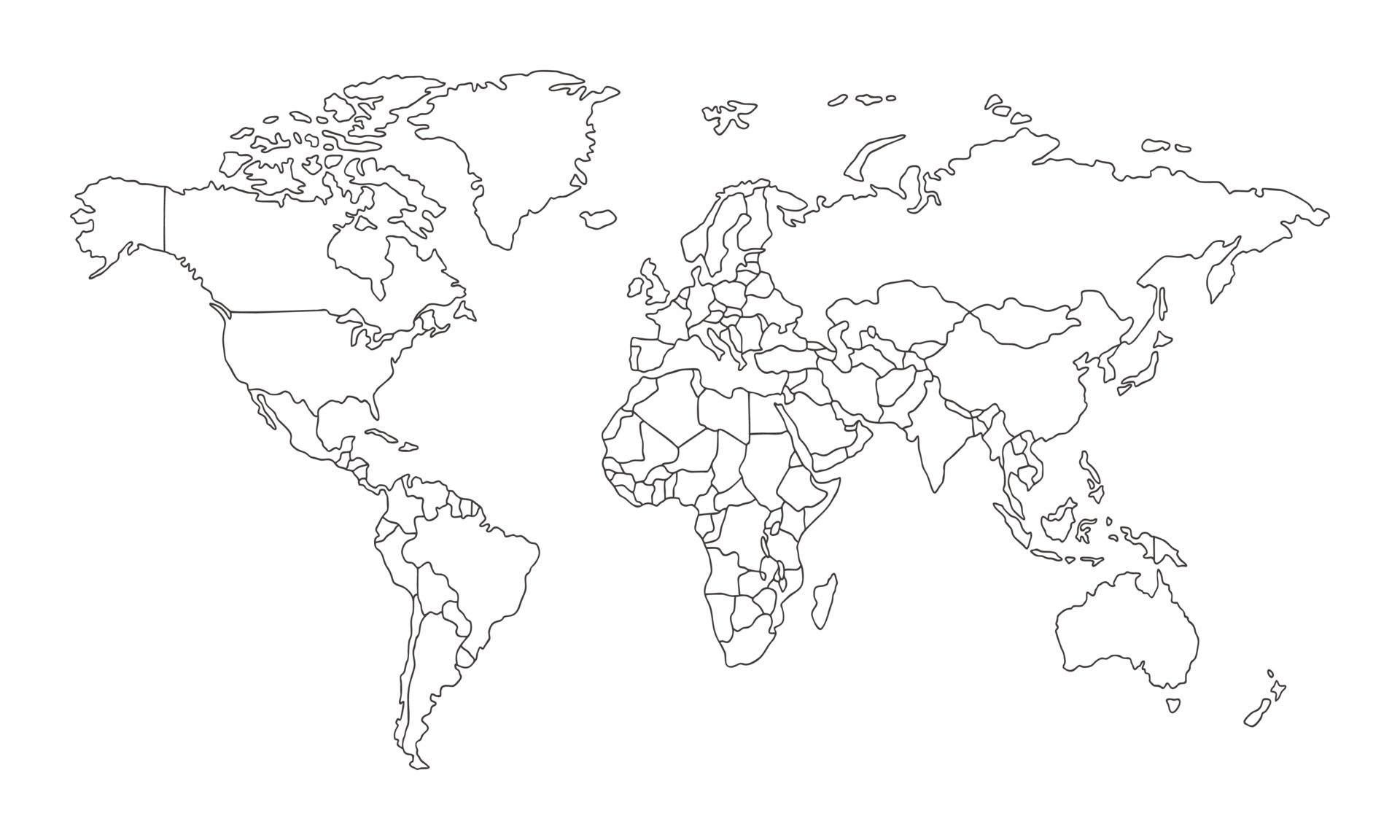
Evidence from 58 countries covering nearly 92% of the world’s forests shows communities’ legal rights to own and manage forests have increased since 2002, with most of these gains occurring within 33 low- and middle-income countries in Africa, Asia, and Latin America. Yet, significant challenges in implementation remain and communities continue to contest lands controlled by governments and other actors. Learn more below, and read about the methodology.
Women’s Rights to Forests Analysis:
The analysis stems from the 2025 report “X,” which examined …

The human right to water is legally recognized in 9 of 15 countries: 5 of 6 in Latin America; 3 of 5 in Africa; and only 1 of 4 in Asia,


Communities’ customary water rights are recognized in 32 of the 39 legal frameworks analyzed. 90% of legal frameworks in both Africa and Latin America recognize these rights, compared to 55% in Asia.
How to cite the data:
RRI. 2018. At a Crossroads: Trends in Recognition of Community-Based Forest Tenure from 2002-2017.
Forest Area Analysis:
The analysis stems from the 2018 report “At a Crossroads,” which examined …
The human right to water is legally recognized in 9 of 15 countries: 5 of 6 in Latin America; 3 of 5 in Africa; and only 1 of 4 in Asia,
Communities’ customary water rights are recognized in 32 of the 39 legal frameworks analyzed. 90% of legal frameworks in both Africa and Latin America recognize these rights, compared to 55% in Asia.
How to cite the data:
RRI. 2018. At a Crossroads: Trends in Recognition of Community-Based Forest Tenure from 2002-2017.


Read through RRI’s full methodologies for:

RRI maintains detailed qualitative data on the strength of Forest Tenure rights legally held by Indigenous Peoples, Afro-descendant Peoples, and local communities in 35 countries in Africa, Asia, and Latin America. Learn more about RRI’s Bundle of Rights Methodology here.
- 2016
- 2024
Sources: RRI. 2016. Depth of Rights Database.
Sources: RRI. 2024. Depth of Rights Database.
RRI maintained detailed qualitative data on the strength of Forest Tenure rights legally held by Indigenous Peoples, Afro-descendant Peoples, and local communities in 35 countries in Africa, Asia, and Latin America. Learn more about RRI’s Bundle of Rights Methodology here.
- 2016
- 2024

Sources: RRI. 2016. Depth of Rights Database.

Sources: RRI. 2016. Depth of Rights Database.
Sources: RRI. 2016. Depth of Rights Database.

Sources: RRI. 2016. Depth of Rights Database.
Sources: RRI. 2016. Depth of Rights Database.

Sources: RRI. 2016. Depth of Rights Database.

Sources: RRI. 2016. Depth of Rights Database.
Sources: RRI. 2016. Depth of Rights Database.
Sources: RRI. 2016. Depth of Rights Database.
Sources: RRI. 2016. Depth of Rights Database.
Sources: RRI. 2024. Depth of Rights Database.
Sources: RRI. 2024. Depth of Rights Database.
Sources: RRI. 2024. Depth of Rights Database.
Sources: RRI. 2024. Depth of Rights Database.
Sources: RRI. 2024. Depth of Rights Database.
Sources: RRI. 2024. Depth of Rights Database.
Sources: RRI. 2024. Depth of Rights Database.
Sources: RRI. 2024. Depth of Rights Database.
Sources: RRI. 2024. Depth of Rights Database.
Sources: RRI. 2024. Depth of Rights Database.
Intro sentence about contextual indicators and how they’re used goes here. Intro sentence about contextual indicators and how they’re used goes here. Intro sentence about contextual indicators and how they’re used goes here.
Does national law recognize community-based rights to use any resources (timber, non-timber, water, and/or other) or areas for cultural and/or religious purposes? Cultural/religious use rights or areas may also be described as “traditional,” “customary,” “spiritual,” “sacred,” or in other similar terms.
- Global
- Regional Comparison
Sources: RRI. 2024. Depth of Rights Database.
Does national law guarantee FPIC rights for Indigenous Peoples, Afro-Descendant Peoples, or local communities — or their self-appointed representative institution — that are applicable to community forests?
- Global
- Regional Comparison
Sources: RRI. 2024. Depth of Rights Database.
La base de datos de género de RRI se basa en el “Bundle of Rights” para evaluar hasta qué punto los marcos jurídicos de los mismos 35 países reconocen los derechos específicos de las mujeres indígenas, afrodescendientes y de comunidades locales sobre los bosques comunitarios, y si estos Estados cumplen con sus obligaciones según las leyes nacionales e internacionales. Estos marcos, llamados regímenes de tenencia comunitaria (CBTRs), se definen como conjuntos distinguibles de leyes y regulaciones nacionales emitidas por el Estado que rigen “todas las situaciones en las que el derecho a poseer o gestionar los recursos naturales terrestres es ejercido a nivel comunitario.”
Más información sobre la metodología de género de RRI aquí.

- 2016
- 2024
- 2016 - Derechos Globales
- 2024 - Derechos Globales


Fuente: RRI. 2016. Base de datos sobre la profundidad de los derechos.
- 2016 - Derechos específicos de CBTR
- 2024 - Derechos específicos de CBTR

Fuente: RRI. 2016. Base de datos sobre la profundidad de los derechos.

Fuente: RRI. 2016. Base de datos sobre la profundidad de los derechos.

Fuente: RRI. 2016. Base de datos sobre la profundidad de los derechos.

Fuente: RRI. 2016. Base de datos sobre la profundidad de los derechos.

Fuente: RRI. 2016. Base de datos sobre la profundidad de los derechos.
Fuente: RRI. 2024. Base de datos sobre la profundidad de los derechos.
Fuente: RRI. 2024. Base de datos sobre la profundidad de los derechos.
Fuente: RRI. 2024. Base de datos sobre la profundidad de los derechos.
Fuente: RRI. 2024. Base de datos sobre la profundidad de los derechos.
Fuente: RRI. 2024. Base de datos sobre la profundidad de los derechos.
Explora datos a nivel de país sobre la distribución de la tenencia forestal a lo largo del tiempo. Haz clic en el nombre del país para obtener más información sobre los marcos legales que reconocen la tenencia comunitaria, incluidos los derechos específicos de los pueblos indígenas, afrodescendientes y mujeres de comunidades locales.
A partir de 2017, los pueblos indígenas y las comunidades locales son legalmente reconocidos como propietarios de al menos 447 millones de hectáreas (Mha), lo que representa el 12,2 % de las tierras forestales dentro de los 58 países analizados.
País
Administrado por el gobierno
2002 2017Designado para Pueblos Indígenas, Pueblos Afrodescendientes y Comunidades Locales
2002 2017Propiedad de Pueblos Indígenas, Pueblos Afrodescendientes y Comunidades Locales
2002 2017Propiedad privada de individuos y empresas
2002 2017El resaltado en gris indica países con casos completos.
Los guiones (-) representan situaciones en las que la categoría de tenencia en cuestión no es legalmente posible según la legislación nacional.
n.d. = Sin datos
Fuente: RRI. 2018. En una encrucijada: Tendencias en el reconocimiento de la tenencia forestal comunitaria de 2002 a 2017.